Marketing Analytics: What to Track, How to Track It, and Why It Matters
Most small businesses are either tracking nothing or drowning in data they don't understand. Effective marketing analytics isn't about measuring everything — it's about measuring the right things and using those insights to make better decisions.
The Metrics That Actually Matter
Forget vanity metrics like social media followers and page views. Focus on these business-driving metrics: cost per lead (CPL), cost per acquisition (CPA), customer lifetime value (CLV), return on ad spend (ROAS), website conversion rate, and organic traffic growth.
Setting Up Google Analytics 4
GA4 is the foundation of your analytics stack. Set up: conversion events for form submissions, phone calls, and purchases. Create audience segments for different traffic sources. Set up custom reports that align with your business goals. Connect to Google Ads and Search Console for complete data.
Call Tracking
For businesses that generate leads via phone calls, call tracking is essential. Use dynamic number insertion to attribute calls to specific marketing channels. Track which ads, keywords, and pages drive the most calls. Record calls (with disclosure) to assess lead quality.
CRM Attribution
Connect your marketing data to your CRM to track leads from first touch to closed deal. This reveals true marketing ROI — not just which channels generate leads, but which channels generate revenue. UTM parameters are the bridge between marketing platforms and your CRM.
Building a Marketing Dashboard
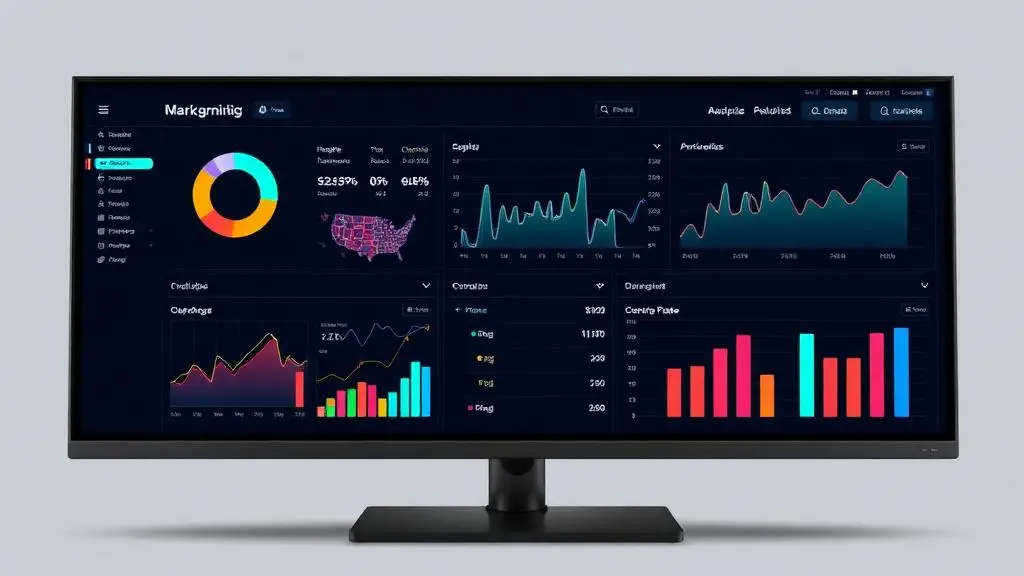
Create a single dashboard that shows all key metrics at a glance. Tools like Google Looker Studio (free), Databox, or AgencyAnalytics can pull data from multiple sources into a unified view. Review this dashboard weekly and share it with stakeholders monthly.
The Reporting Cadence
**Weekly:** Review ad performance, website traffic, and lead volume. Make tactical adjustments to campaigns.
**Monthly:** Analyze trends, assess channel performance, and evaluate ROI. Adjust budget allocation based on performance.
**Quarterly:** Review overall marketing strategy against business goals. Plan upcoming campaigns and initiatives.
Common Analytics Mistakes
Measuring activity instead of outcomes (posts published vs. leads generated). Comparing unlike time periods without accounting for seasonality. Making decisions based on insufficient data. Failing to connect marketing metrics to revenue outcomes.
Need help setting up marketing analytics that drive better decisions? Get started.
Abbey Smith
Founder & CEO, Siren Song Marketing Group