Micro-Influencer Marketing: How Small Businesses Can Compete
When most business owners hear 'influencer marketing,' they think of celebrity endorsements with six-figure price tags. But micro-influencer marketing — partnering with creators who have 1,000-50,000 followers — is the most accessible and effective form of influencer marketing for small businesses.
Why Micro-Influencers Outperform
Micro-influencers have 60% higher engagement rates than macro-influencers. Their audiences trust them more because they feel authentic and relatable. Their followers are typically more niche and targeted. And they cost a fraction of larger influencers — often working for free products, $100-500 per post, or affiliate commissions.
Finding the Right Influencers
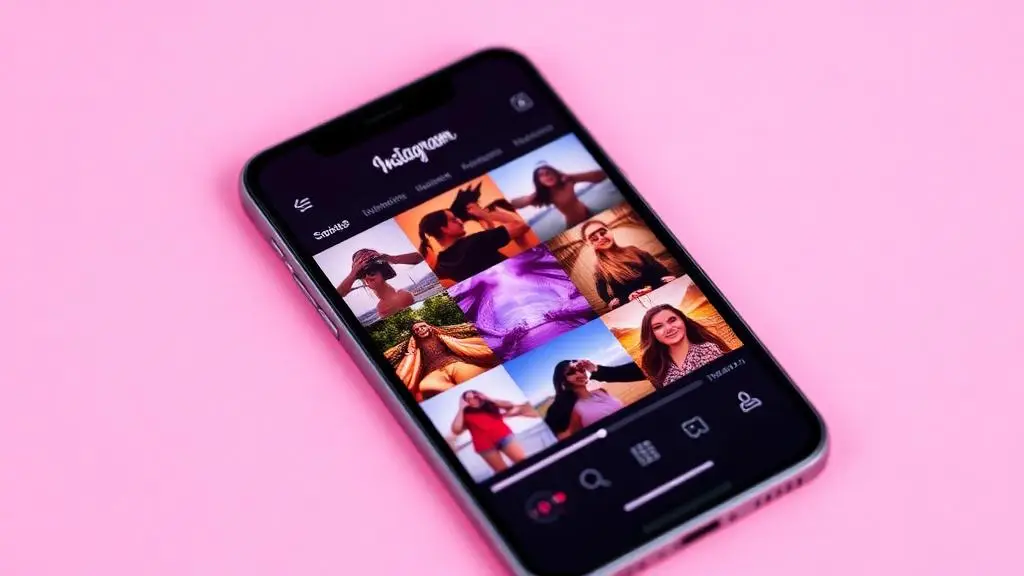
Search location-specific hashtags on Instagram and TikTok to find local creators. Look for influencers whose audience matches your target customer. Check engagement rates (3-6% is good for micro-influencers) rather than follower counts. Prioritize authenticity — followers can spot inauthentic promotions instantly.
Types of Influencer Partnerships
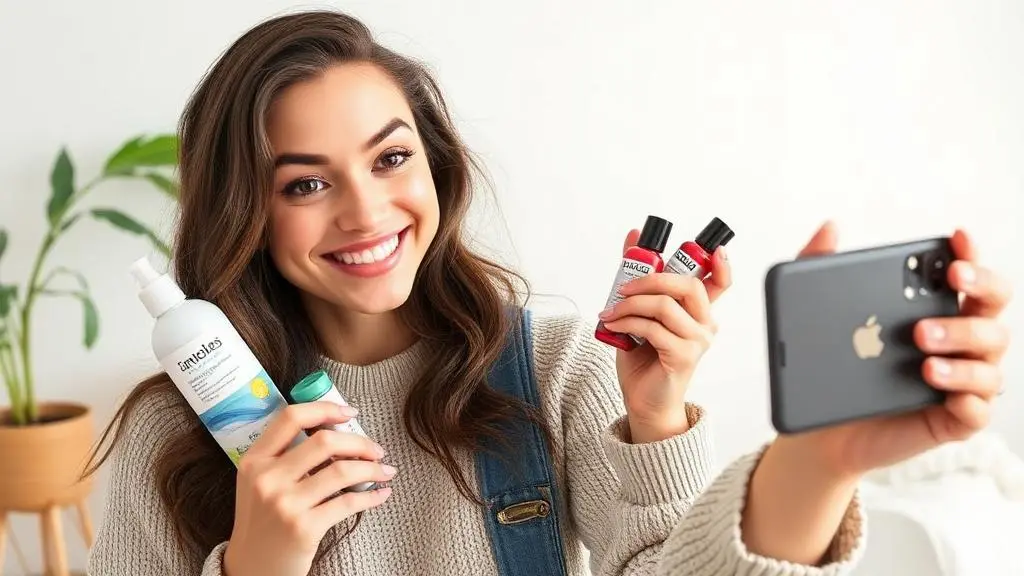
**Product reviews:** Send your product and let the influencer share their honest opinion. Authentic reviews drive more conversions than scripted ads.
**Sponsored posts:** Pay for dedicated content featuring your product or service. Provide guidelines but let the influencer use their natural style.
**Takeovers:** Let the influencer take over your social media for a day. This introduces their audience to your brand and creates engaging content.
**Affiliate partnerships:** Give influencers a unique discount code and commission on sales they generate. This aligns incentives — they only earn when they drive results.
**Event collaborations:** Invite influencers to your events, store openings, or product launches for content creation and exposure.
Measuring Influencer ROI
Track: reach and impressions, engagement (likes, comments, shares, saves), website traffic from influencer content (use UTM links), discount code usage, and direct revenue attributed to the partnership. Calculate cost per engagement and cost per conversion to compare against other marketing channels.
Legal Requirements
The FTC requires influencers to disclose paid partnerships. Ensure every sponsored post includes #ad or #sponsored prominently. A formal agreement outlining deliverables, usage rights, and compliance requirements protects both parties.
Getting Started
Start with 2-3 micro-influencers in your local area or niche. Run a small campaign ($500-1,000 total budget) to test the channel. Measure results, optimize your approach, and scale what works.
Want to launch a micro-influencer campaign for your business? Let's find your perfect partners.
Abbey Smith
Founder & CEO, Siren Song Marketing Group